

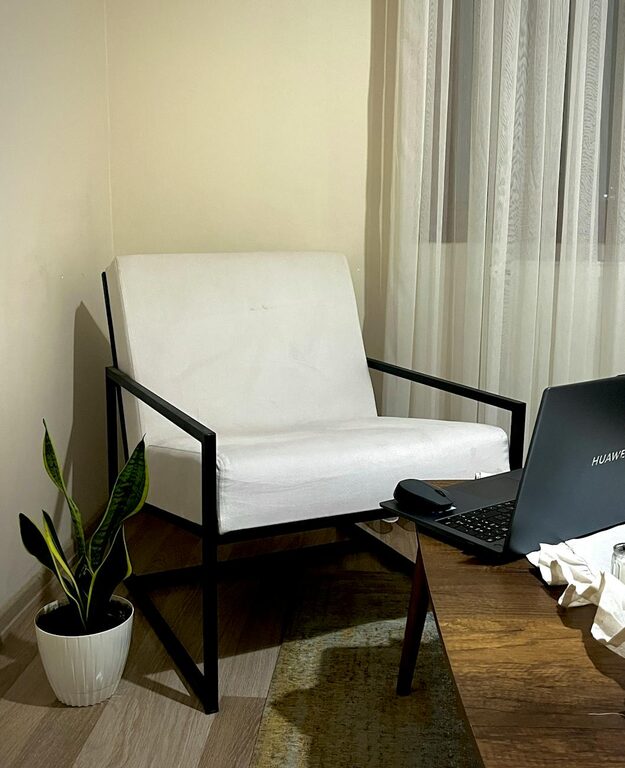
Creating a cozy and inviting home office space is more important than ever as many of us spend significant time working from home. A well-designed office can improve focus, inspire creativity, and make work more enjoyable. Whether you have a dedicated room or just a small corner, transforming your workspace into a comfortable retreat is possible with some thoughtful planning.
In this article, we’ll explore practical tips to help you design a home office that feels warm, welcoming, and efficient.
Choose the Right Location
Selecting the best spot for your home office is the foundation of comfort and productivity. Ideally, choose a quiet area with minimal distractions.
– Natural light: Position your desk near a window to take advantage of daylight. Natural light can enhance mood and reduce eye strain.
– Privacy: If possible, pick a separate room or a corner away from household noise.
– Space: Ensure there’s enough space for your desk, chair, and any other equipment you need while leaving room to move comfortably.
Invest in Comfortable Furniture
Comfort is key for long hours spent working. Ergonomic furniture supports both your body and your workflow.
– Ergonomic chair: Look for adjustable chairs with good lumbar support to prevent back pain.
– Desk height: Your desk should suit your height, allowing your arms to rest comfortably while typing.
– Additional seating: Consider a cozy chair or small sofa if you have the space. It offers a place to take breaks or read.
Personalize with Warm and Soothing Colors
Colors affect our mood and concentration, so pick a palette that feels inviting yet promotes focus.
– Soft neutrals: Shades like beige, soft gray, or warm white create a calm atmosphere.
– Accent tones: Add pops of color through accessories such as cushions, rugs, or wall art in calming blues, greens, or muted pastels.
– Avoid harsh colors: Bright or overly intense colors may cause distraction or fatigue.
Use Layered Lighting
Good lighting is essential for comfort and productivity. Use multiple sources to create a warm, adaptable environment.
– Ambient lighting: Overhead lights provide the main illumination.
– Task lighting: A desk lamp focused on your work area reduces eye strain.
– Accent lighting: Floor lamps or string lights add coziness and style.
Add Natural Elements
Bringing nature indoors can improve air quality and create a soothing environment.
– Plants: Small indoor plants like succulents or ferns are easy to care for and brighten the space.
– Natural materials: Incorporate wood, woven baskets, or stone accessories for texture and warmth.
– Fresh air: Open windows regularly to keep the air fresh.
Keep it Organized and Clutter-Free
A tidy space helps you stay focused and reduces stress. Use smart storage solutions to keep essentials within reach but out of sight.
– Shelving units: Vertical shelves save space and display books or decorative items.
– Desk organizers: Trays, pen holders, and cable management tools keep your desk orderly.
– Daily declutter: Spend a few minutes each day putting things away to maintain a neat environment.
Incorporate Inspiring Decor
Add elements that motivate and reflect your personality without overcrowding your space.
– Artwork: Hang pictures or prints that inspire you, whether nature scenes, abstract art, or motivational quotes.
– Rugs: A soft rug can define your office area and add warmth underfoot.
– Personal touches: Display favorite photos, meaningful objects, or souvenirs.
Create Zones for Different Activities
If your space allows, organizing your office into zones can enhance productivity and comfort.
– Work zone: Your computer, desk, and primary tools.
– Reading or thinking zone: A comfortable chair with good lighting for brainstorming or breaks.
– Storage zone: Cabinets or shelves for files, supplies, and equipment.
Maintain a Pleasant Temperature and Air Quality
Your comfort depends not only on furniture and decor but also on the environment.
– Ventilation: Ensure good airflow to keep the room fresh.
– Heating and cooling: Use fans, heaters, or air conditioning as needed to maintain a comfortable temperature.
– Air purifiers: Consider adding an air purifier if your room tends to get dusty or stuffy.
Establish a Daily Routine and Boundaries
Though not directly related to decor, habits can help your home office feel more inviting by separating work and leisure.
– Regular hours: Set consistent work times to create structure.
– Breaks: Take short breaks to stretch, hydrate, or move around.
– End-of-day rituals: Tidy your space and power down devices to signal the end of work.
—
Designing a cozy and inviting home office is about balancing comfort with practicality. By choosing the right location, investing in ergonomic furniture, personalizing with colors and decor, and maintaining organization, you create a space that supports both your well-being and productivity. Remember, your home office should be a reflection of you—comfortable, inspiring, and a place where work feels a little easier.