

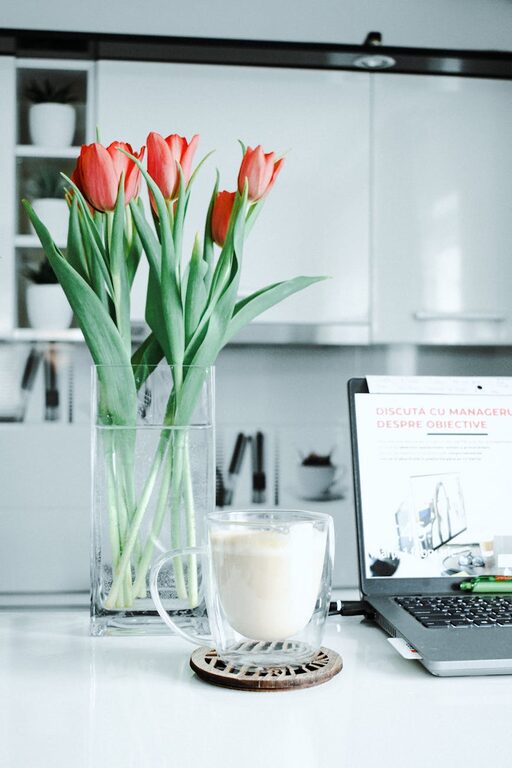
Creating a home workspace that feels both relaxing and productive can make a significant difference in the quality of your work and overall well-being. With many people spending more time working from home, it’s important to design a space that encourages focus while helping you stay calm and refreshed. In this post, we’ll explore practical tips to help you set up a home workspace that boosts productivity in a soothing environment.
Why a Relaxing Workspace Matters
A cluttered or stressful environment can impact your motivation and ability to concentrate. When your workspace is peaceful and organized, it reduces distractions and mental fatigue, making it easier to focus on tasks. A relaxing atmosphere can also help manage stress, which is especially beneficial during busy or demanding work periods.
Choosing the Right Location
Consider Natural Light
Select a spot that receives plenty of natural light. Sunlight helps improve mood and alertness while reducing eye strain. If natural light is limited, use soft white LED lights to mimic daylight.
Minimize Noise and Interruptions
Find a quiet corner or a room where you can work without constant noise or interruptions. Using noise-cancelling headphones or a white noise machine can also help if background sounds are unavoidable.
Furniture and Ergonomics
Invest in a Comfortable Chair
A chair that supports your back and encourages good posture can prevent discomfort during long hours of work. Adjust the height so your feet rest flat on the floor, and your arms are level with the desk.
Use a Desk That Fits Your Needs
Choose a desk that provides enough space for your computer, paperwork, and other essentials. A clean and spacious surface reduces clutter and promotes focus.
Organizing Your Workspace
Declutter Regularly
Keep only what you need on your desk to avoid distractions. Use drawers, shelves, or organizers to store supplies neatly out of sight.
Incorporate Storage Solutions
Use bins, file holders, or baskets to sort documents and materials. Labeling these can save time and keep things in order.
Personalizing Your Space
Add Plants
Plants improve air quality and bring a touch of nature indoors, which can help reduce stress and increase focus.
Use Calming Colors
Soft colors like blues, greens, or neutrals create a soothing atmosphere. Avoid overly bright or distracting colors around your workspace.
Include Meaningful Items
Display a few personal items like photos, art, or inspirational quotes that make you feel calm and motivated.
Creating a Calming Ambiance
Control Lighting
Adjust the lighting to avoid harsh glare. Consider task lighting such as a desk lamp with adjustable brightness for focused work.
Introduce Gentle Sounds
Playing soft instrumental music or nature sounds can enhance relaxation without distracting you from your tasks.
Keep Fresh Air Flowing
If possible, open a window for fresh air. Good ventilation helps you stay alert and comfortable.
Establishing Daily Routines
Set Regular Breaks
Take short breaks every hour to stretch, move around, or relax your eyes. This practice helps maintain energy and prevent burnout.
Keep a To-Do List
Writing down tasks for the day provides direction and reduces stress by keeping your goals clear.
End Your Workday with a Routine
At the end of each day, tidy your workspace and plan for tomorrow. This helps transition your mind out of work mode and prepares you for the next day.
Technology Tips
Manage Digital Clutter
Organize your desktop and files to avoid wasting time searching for documents. Consider using productivity apps that suit your workflow.
Use Cable Management
Keep cords and cables tidy with clips or sleeves to prevent tangles and keep your desk neat.
Final Thoughts
Designing a relaxing home workspace is about combining comfort, organization, and personal touches that suit your needs. By creating an environment that feels inviting and calm, you’ll find it easier to focus, stay motivated, and boost your productivity throughout the workday. Take the time to customize your space—you’ll reap the benefits in both your work and well-being.