

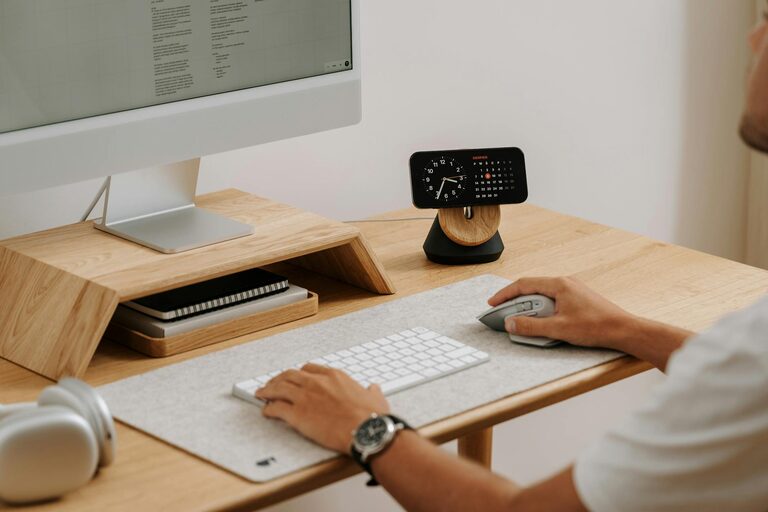
Creating a home office that supports both productivity and relaxation is key to enjoying your workday and maintaining your well-being. Whether you work remotely full-time or occasionally need a dedicated space, setting up the right environment can make all the difference. Here are some helpful tips for designing a home office where you’ll feel motivated, comfortable, and focused.
Choose the Right Location
Selecting a suitable spot for your home office is the first step. Ideally, choose a quiet area of your home where distractions are minimal. If possible, find a room with a door to help separate work from personal time. Natural light also plays a big role in keeping your energy up, so a space near a window is a major plus.
Invest in Comfortable and Supportive Furniture
Your chair and desk should promote good posture to avoid discomfort during long hours of work.
– Ergonomic Chair: Look for adjustable height, lumbar support, and comfortable cushioning.
– Desk Setup: Ensure your desk height allows your wrists to stay straight while typing, and your monitor is at eye level to avoid neck strain.
– Footrest: If your feet don’t rest flat on the floor, a footrest may improve circulation and comfort.
Comfortable furniture supports focus and productivity while reducing physical strain.
Keep the Space Organized and Clutter-Free
A tidy workspace helps minimize distractions and improve clarity of thought.
– Storage Solutions: Use shelves, drawers, or filing cabinets to store papers and supplies.
– Desk Organizers: Keep pens, notebooks, and gadgets neatly arranged.
– Daily Tidying: Set aside a few minutes at the end of each day to put things away.
An organized environment can lead to a more productive mindset.
Control Lighting for Comfort and Alertness
Lighting not only affects how your space looks but also your mood and energy.
– Natural Light: Maximize daylight by positioning your desk near windows while avoiding glare on your computer screen.
– Task Lighting: Use a desk lamp to provide focused light for detailed work.
– Ambient Lighting: Soft overhead lighting creates a warm, inviting atmosphere.
Adjusting lighting according to your needs can help reduce eye strain and keep you alert.
Add Personal Touches for a Calming Atmosphere
Incorporate elements that make your office feel inviting and reduce stress.
– Plants: Adding greenery improves air quality and introduces a soothing natural vibe.
– Artwork or Photos: Display images that inspire or bring joy without being distracting.
– Soft Textiles: Use a cozy rug or cushions to make the area more comfortable.
These touches create a space where you enjoy spending time.
Manage Noise Levels
Noise distractions can impede concentration, so controlling sound is important.
– Noise-Canceling Headphones: Helpful if you live in a noisy environment.
– Background Music: Soft instrumental or nature sounds can improve focus for some.
– Soundproofing: Adding rugs, curtains, or acoustic panels can reduce echo and external noise.
Experiment to find the right balance that helps you stay calm and attentive.
Set Boundaries and Establish a Routine
Maintaining clear work-life boundaries keeps your home office time productive and relaxing.
– Work Hours: Define consistent start and finish times.
– Breaks: Take regular breaks to move, hydrate, and rest your eyes.
– Communication: Inform family or roommates about your schedule to minimize interruptions.
Having a routine supports your mental well-being and work efficiency.
Utilize Technology Wisely
Make sure your tech setup supports your workflow without causing unnecessary stress.
– Reliable Equipment: Invest in a good-quality computer, fast internet, and essential peripherals.
– Cable Management: Use clips or sleeves to keep cords organized.
– Software Tools: Use apps and programs that help with task management and focus.
Having dependable technology helps you work smoothly without avoidable disruptions.
Keep Air Quality Fresh
Quality air contributes to better focus and health.
– Ventilation: Open windows periodically to let in fresh air.
– Air Purifiers: Consider using one if your space lacks good airflow or suffers from allergens.
– Humidity: Use a humidifier or dehumidifier if needed to maintain comfortable humidity levels.
A fresh environment helps keep your mind clear and energized.
—
Creating a home office that balances relaxation and productivity takes some effort but pays off in comfort and focus. By choosing the right location, investing in ergonomic furniture, organizing your space, controlling lighting and noise, and adding personal touches, you can build an environment where you look forward to working every day. Remember to maintain routines and manage your technology well to support your best work in a stress-free setting. With these tips, you can design a home office that truly works for you.